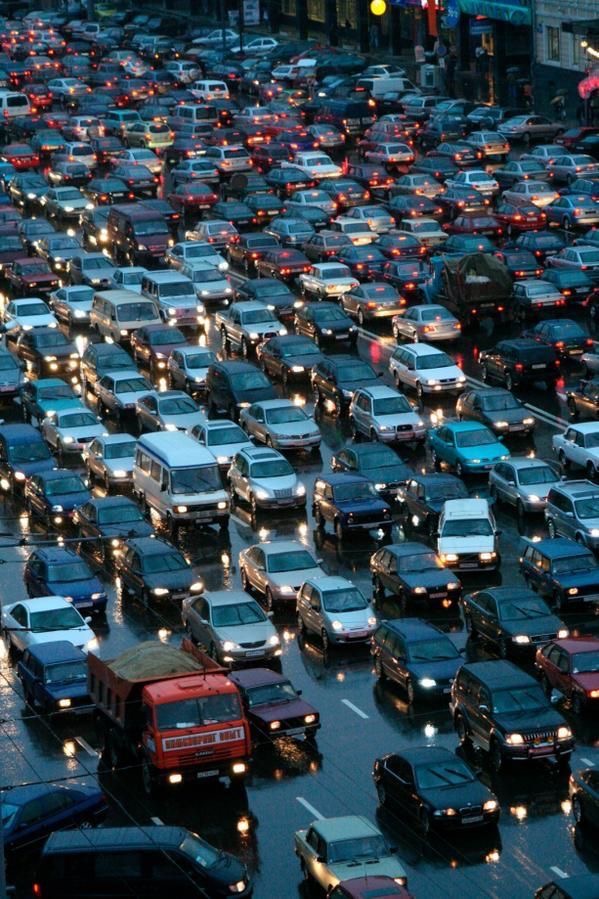
If you’ve ever sat in bumper-to-bumper traffic wondering how the roads became so congested, here’s a surprising thought: traffic jams have frustrated drivers for well over a century.
The funny part? The world’s first car traffic jam happened when automobiles were still a rare sight, and the number of vehicles involved would barely fill a modern supermarket parking lot.
Here’s the fascinating story of how one of history’s earliest traffic jams unfolded.
When Cars Were a Rare Luxury
At the turn of the 20th century, very few people owned automobiles. Most travelled by horse, bicycle, or train. Cars cost a fortune, broke down frequently, and fascinated curious onlookers wherever they appeared.
Roads weren’t designed for motor vehicles. Fuel stations barely existed, and seeing more than a few cars in one place was unusual.
As more wealthy buyers embraced the automobile, however, cities began experiencing a problem they had never anticipated.
The Event That Brought Traffic to a Halt
Motor shows, reliability runs, and public demonstrations attracted large crowds eager to witness the future of transportation.
Dozens of automobiles gathered on narrow streets already filled with horse-drawn carriages, pedestrians, bicycles, and streetcars. Drivers found themselves inching forward as every type of road user competed for limited space.
By modern standards, the congestion looked minor. For people living at the time, however, it felt extraordinary. Many historians consider these events among the earliest documented automobile traffic jams.
Why Early Roads Couldn’t Handle Cars
Cities evolved around horses, not engines.
Roads remained narrow, many were unpaved, and almost none featured lane markings. Drivers had no traffic lights, very few road signs, and almost no standardized driving rules to follow.
Police officers directed traffic at busy intersections, but they had little experience managing motor vehicles.
Even a few dozen automobiles could overwhelm streets that had served horse traffic for decades.
Horses Added to the Chaos
Ironically, the biggest obstacle wasn’t the cars—it was the horses sharing the road with them.
Early automobiles produced loud engine noise that frightened many horses. Nervous animals often refused to move or bolted unexpectedly, forcing everyone behind them to stop.
Drivers couldn’t simply overtake because the streets were narrow and crowded.
For a brief period in history, one of humanity’s newest inventions had to coexist with one of its oldest forms of transportation.
The Rise of Traffic Control
As automobile ownership increased, cities realized they needed better ways to manage traffic.
The first electric traffic signal appeared in Cleveland, Ohio, in 1914. That innovation marked the beginning of modern traffic management.
Over time, engineers introduced stop signs, lane markings, speed limits, and dedicated traffic laws to keep roads moving safely.
Without those improvements, modern cities would face complete gridlock every day.
From a Few Dozen Cars to Millions
What began as occasional congestion involving only a handful of automobiles has grown into one of modern life’s biggest frustrations.
Today, commuters spend hours sitting in traffic on highways that stretch for kilometres. Some traffic jams have even trapped motorists for days.
Compared with those, the world’s earliest automobile traffic jams seem almost charming.
Traffic Jams: An Unexpected Part of Automotive History
There’s something wonderfully ironic about this story.
Cars promised faster journeys, greater freedom, and the end of slow travel. Yet almost as soon as people started buying them, they also discovered one unavoidable downside: waiting behind other drivers.
More than a century later, motorists still face the very same problem.
The world’s earliest car traffic jams didn’t involve thousands of impatient commuters or eight-lane expressways.
Instead, they happened because cities built for horses suddenly welcomed a revolutionary new invention.
That small moment in automotive history marked the beginning of a challenge every modern driver understands.
The next time you’re stuck in traffic, remember that drivers have shared the same frustration for more than 100 years.