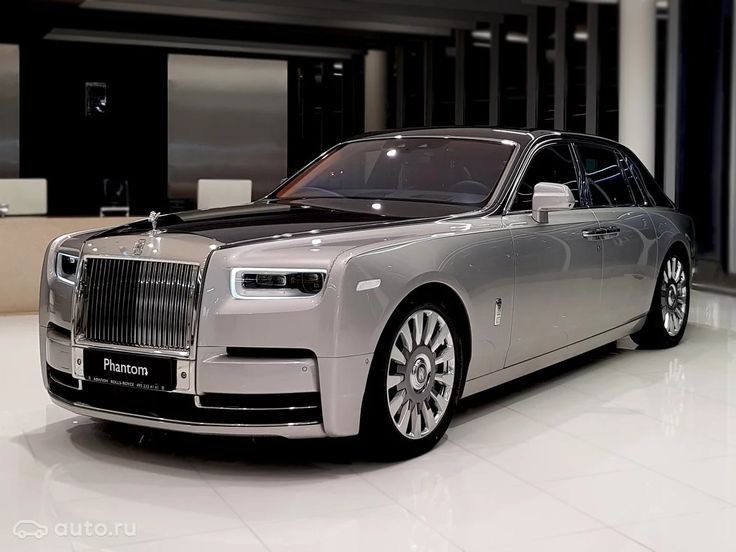
Ever looked at a car’s badge and wondered, “Who came up with that name?”
Car manufacturers spend millions developing new vehicles, and naming them is almost as important as designing them. A great name can make a car feel fast, luxurious, adventurous, or reliable before you even get behind the wheel.
While some names sound completely made up, many actually have fascinating meanings rooted in history, animals, geography, royalty, and even flowers.
Here are ten popular cars whose names have surprisingly interesting origins.
1. Ford Mustang — Not Just the Horse
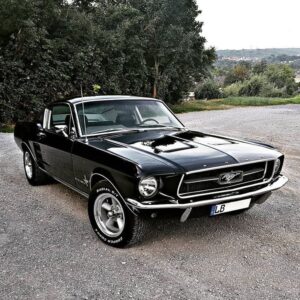
When most people hear “Mustang,” they immediately picture the wild horse galloping across the American plains.
While that image certainly helped define the car’s identity, the name was also inspired by the legendary P-51 Mustang fighter aircraft used during World War II. The combination of speed, freedom, and power made it the perfect name for Ford’s revolutionary sports car.
It’s one of the few car names inspired by both an animal and an airplane.
2. Toyota Corolla — A Flower’s Crown

The Toyota Corolla is one of the best-selling cars in history, but its name has surprisingly elegant origins.
“Corolla” is a botanical term referring to the ring of petals surrounding the center of a flower.
Toyota intentionally chose crown-themed names for many of its sedans. In fact, “Corolla” means “small crown,” fitting neatly into the company’s naming tradition.
3. Chevrolet Impala — Africa’s Fast Antelope
The Chevrolet Impala wasn’t named after a random word.
The impala is a graceful African antelope famous for its incredible speed, agility, and ability to leap over three meters into the air.
Chevrolet wanted buyers to associate the car with athleticism and elegance, making the impala a fitting symbol.
4. Honda Civic — A Car for the People

Unlike many sporty or exotic names, “Civic” comes from the word “citizen.”
Honda designed the Civic to be an affordable, practical car for ordinary people around the world.
Its name reflects its mission: transportation for everyday society rather than the elite.
5. Toyota Camry — From the Japanese Word for Crown
Many people assume “Camry” is simply a made-up name.
In reality, it’s derived from the Japanese word “kanmuri,” meaning “crown.”
Toyota has a long tradition of naming vehicles after crowns, including the Crown, Corona, Corolla, and Camry.
Once you know the pattern, it’s impossible to unsee it.
6. Volkswagen Beetle — Because It Looked Like One
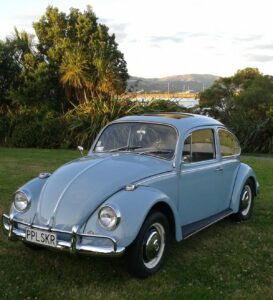
Sometimes the simplest explanation is the correct one.
The rounded shape of Volkswagen’s iconic compact car reminded people of a beetle.
Although Volkswagen originally referred to it simply as the “Type 1,” the nickname became so popular that it eventually became the car’s official name in many markets.
7. Dodge Viper — Strike Fast
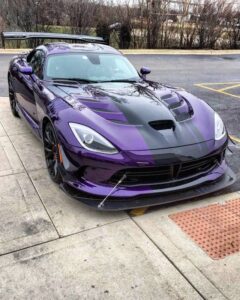
Snakes have long symbolized speed, danger, and precision.
Dodge chose “Viper” because it perfectly captured the aggressive personality of its high-performance sports car.
Just like the snake, the Viper was built to strike quickly and leave a lasting impression.
8. Rolls-Royce Phantom — Silent Luxury
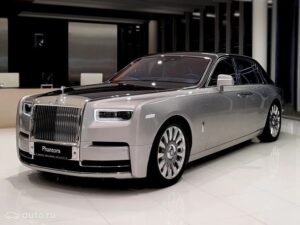
What better name for an ultra-luxury car than something mysterious?
The word “phantom” suggests silence, elegance, and an almost ghost-like presence.
It reflects Rolls-Royce’s philosophy of building cars that glide so smoothly they seem to float above the road.
9. Hyundai Tucson — A City in Arizona
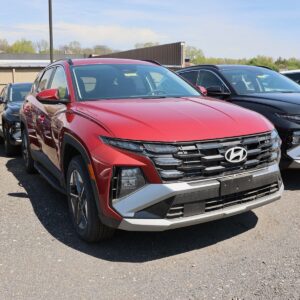
Not every car is named after an animal or a concept.
Hyundai named the Tucson after the city of Tucson, Arizona, hoping to evoke images of deserts, adventure, and the rugged American Southwest.
Many SUVs are named after places associated with exploration and outdoor living.
10. Nissan Pathfinder — The Explorer
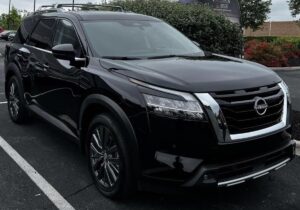
Some names are designed to tell you exactly what the vehicle is meant to do.
The Nissan Pathfinder was created for drivers seeking adventure, and its name suggests someone who discovers new routes where others hesitate to go.
Even if most owners never leave paved roads, the name inspires confidence and capability.
Why Car Names Matter
A vehicle’s name is more than just a marketing label.
It creates an emotional connection before buyers ever see the car in person.
A Mustang sounds exciting.
A Phantom sounds luxurious.
A Pathfinder promises adventure.
A Corolla suggests elegance.
Manufacturers spend months—and sometimes years—testing names because the right one can help define a vehicle’s identity for decades.
The next time you see a familiar car on the road, take a closer look at its badge.
Behind many of those names lies a story involving history, wildlife, geography, language, or even flowers.
Once you start paying attention, you’ll realize that car names are rarely chosen by accident—they’re carefully crafted to tell a story long before the engine ever starts.