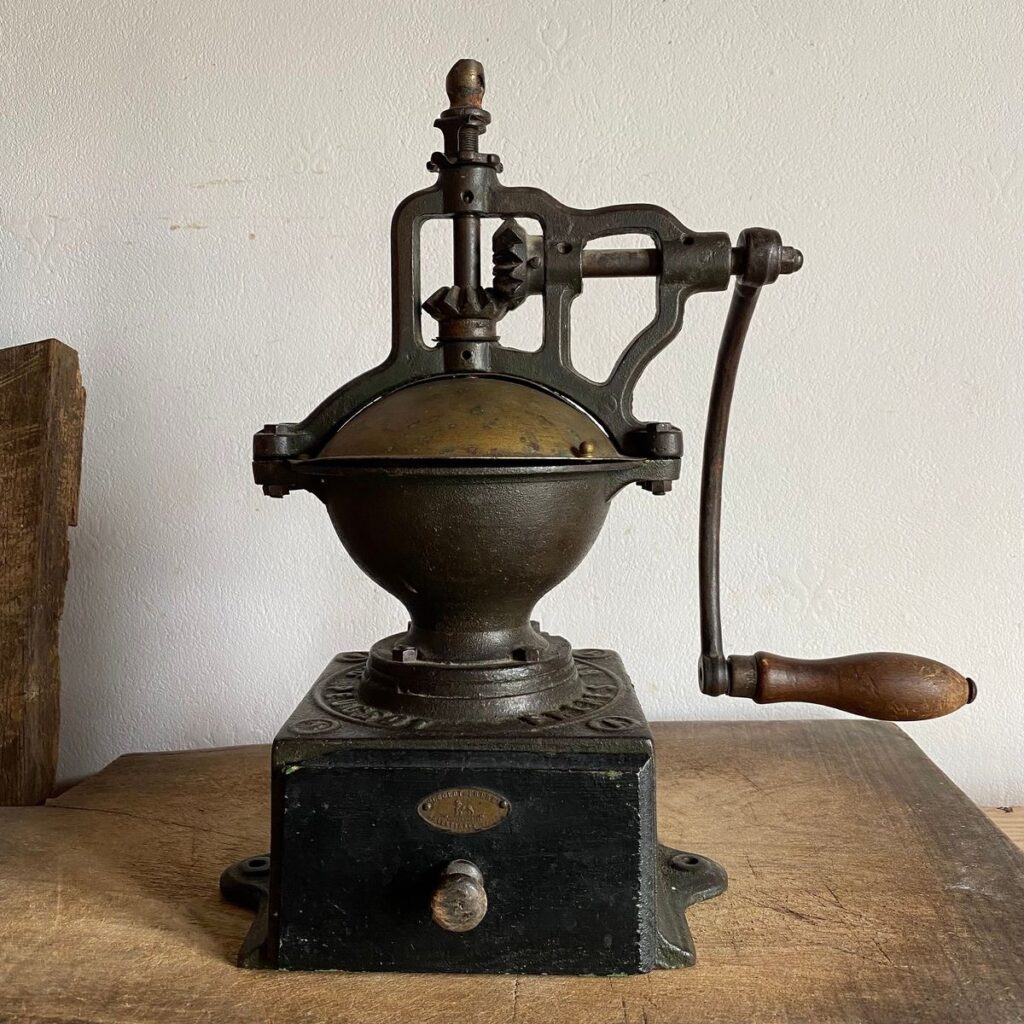
When most people think of car manufacturers, they imagine companies that have spent their entire existence building vehicles. And that’s not always the case.
Some of the world’s biggest automotive brands began life making products that had absolutely nothing to do with transportation. From coffee grinders to tractors and even weaving machines, these companies took unexpected paths before becoming automotive giants.
BMW: From the Sky to the Road
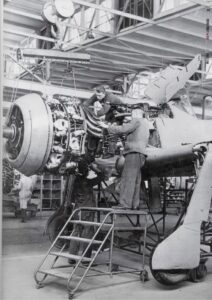
Today, BMW is synonymous with luxury sedans and performance vehicles. However, the company originally built aircraft engines.
Founded in 1916, BMW supplied engines for German military aircraft during World War I. In fact, the blue-and-white logo that many people believe represents a spinning propeller is actually derived from the colors of Bavaria, the German state where BMW was founded.
After the war, restrictions on aircraft manufacturing forced BMW to diversify. The company began producing motorcycles and eventually automobiles, paving the way for the brand we know today.
Lamborghini: The Tractor Company That Challenged Ferrari
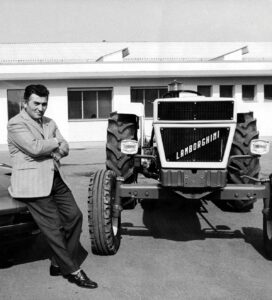
One of the most famous stories in automotive history involves Lamborghini.
After World War II, founder Ferruccio Lamborghini built a successful business manufacturing tractors from surplus military equipment. He became wealthy enough to purchase several high-end sports cars, including Ferraris.
Legend has it that Ferruccio complained to Enzo Ferrari about a clutch issue in one of his cars. Ferrari allegedly dismissed the criticism, telling Lamborghini to stick to tractors.
Rather than accept the insult, Lamborghini decided to build his own sports cars. The result was one of Ferrari’s fiercest competitors.
Peugeot: Coffee Grinders Before Cars
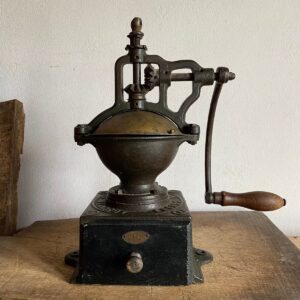
Long before it became known for hatchbacks and sedans, Peugeot produced coffee grinders, saw blades, and bicycles.
The company traces its roots back to the early 1800s, making it one of the oldest industrial brands still operating today. Its transition into automobile manufacturing began in the late 19th century, but many Peugeot-branded kitchen products continued to be sold for decades afterward.
Toyota: Born From Weaving Machines
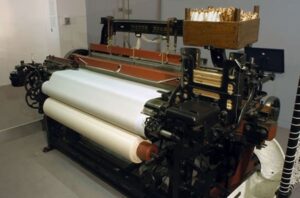
Toyota’s origins lie in the textile industry.
Founder Sakichi Toyoda invented automatic weaving looms that revolutionized textile production in Japan. The profits from these inventions helped finance his son Kiichiro Toyoda’s dream of building automobiles.
Without weaving machines, there might never have been a Toyota Corolla, Camry, or Land Cruiser.
Saab: Built by Aircraft Engineers
Saab’s full name originally stood for Svenska Aeroplan Aktiebolaget, a Swedish aircraft manufacturer.
The company entered the automotive market after World War II when demand for military aircraft declined. Saab engineers applied their aviation knowledge to car design, resulting in vehicles known for aerodynamic styling and innovative engineering.
Why These Stories Matter
The history of these companies proves that success is rarely a straight line.
Some began in agriculture. Others came from aviation, manufacturing, or textiles. Yet each adapted to changing circumstances and opportunities, ultimately becoming household names in the automotive world.
The next time you see a BMW, Lamborghini, Peugeot, Toyota, or Saab on the road, remember: before they built cars, they were building something entirely different.