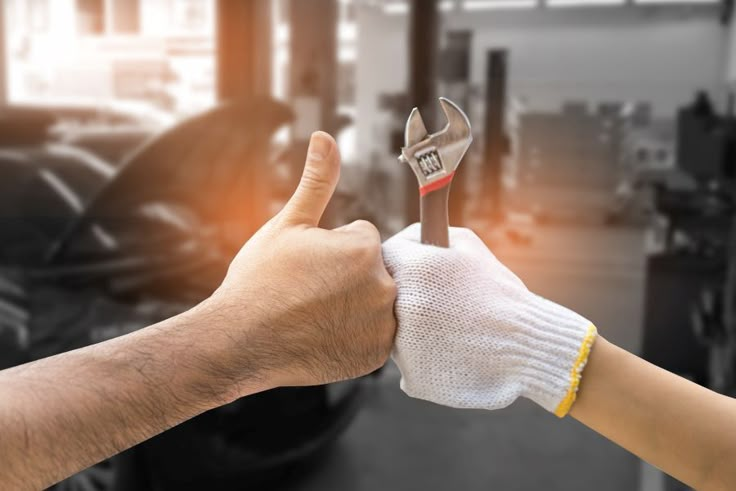
The New Year is when calendars reset, gym memberships spike, and when you finally stop ignoring that warning light.
A New Year reset for your car is about starting fresh, avoiding expensive surprises, and making your daily drive calmer, cleaner, safer and more enjoyable. This checklist covers everything that matters, from mechanical basics to the details most drivers forget.
Bookmark it. Your car will thank you in fewer dashboard lights.
1. Start With Essential Maintenance Checks
Before cosmetics or tech updates, make sure your car is mechanically ready for the year ahead.
Check and Top Off Fluids
Inspect and top up:
-
Engine oil
-
Coolant
-
Brake fluid
-
Power steering fluid
-
Windshield washer fluid
If your oil change is coming up soon, do it now. Fresh oil is the automotive equivalent of a clean slate.
Inspect Belts, Hoses, and Battery
Cold weather and time are ruthless.
-
Look for cracked belts or brittle hoses
-
Check battery terminals for corrosion
-
If your battery is over three years old, consider testing it
Dead batteries love January.
2. Tires: The Most Ignored Safety Feature
Your tires are the only part of the car touching the road, yet they’re often the most neglected.
Check Tire Pressure
Temperature drops lower tire pressure.
-
Inflate to the manufacturer’s recommended PSI
-
Don’t rely on the door sticker memory alone. Verify it.
Inspect Tread and Wear
-
Use the penny test or tread depth gauge
-
Look for uneven wear, which may indicate alignment issues
If you’re running seasonal tires, confirm you’re on the right set for current conditions.
3. Deep Clean Inside and Out
A clean car changes how it feels to drive. It’s psychological and practical.
Interior Reset
-
Remove clutter from door pockets and trunk
-
Vacuum carpets and seats
-
Wipe steering wheel, touchscreen, and controls
-
Clean air vents and replace the cabin air filter
Bonus: fewer smells, fewer allergens, better airflow.
Exterior Wash and Protection
-
Wash thoroughly, including undercarriage if possible
-
Clean wheels and brake dust buildup
-
Apply wax or paint sealant for protection
This helps prevent rust and paint damage, especially after winter driving.
4. Software Updates and Vehicle Tech Check
Modern cars are rolling computers, and many drivers never update them.
Update Vehicle Software
If your car supports over-the-air updates or dealer-installed updates:
-
Check for infotainment updates
-
Update navigation maps
-
Install performance or efficiency improvements
Some updates fix bugs. Others improve range, fuel economy, or safety features.
Reset Driver Assistance Systems
-
Recalibrate lane assist or adaptive cruise if prompted
-
Clean cameras and sensors
-
Review settings you may have disabled months ago
A clean sensor is a smart sensor.
5. Lights, Wipers, and Visibility
Small things. Big impact.
Inspect All Lights
Check:
-
Headlights
-
Brake lights
-
Turn signals
-
Reverse lights
Replace dim or yellowed bulbs. Visibility equals safety.
Replace Wiper Blades
If they streak, chatter, or smear, replace them. No debate.
Top off washer fluid with winter-rated fluid if temperatures demand it.
6. Emergency Kit and Documents Check
The New Year is the perfect reminder to be prepared.
Refresh Your Emergency Kit
Include:
-
Jumper cables or battery pack
-
Flashlight
-
First-aid kit
-
Tire inflator or sealant
-
Blanket and gloves (climate permitting)
Check Documents
-
Registration and insurance
-
Roadside assistance details
-
Owner’s manual (digital or physical)
7. Set Car Goals for the Year Ahead
Yes, your car can have resolutions too.
Consider:
-
Scheduling routine maintenance in advance
-
Tracking fuel or charging costs
-
Driving more smoothly to reduce wear
-
Washing monthly instead of annually
Small habits add up to longer vehicle life and lower costs.
A Fresh Start on Four Wheels
Your car doesn’t need a complete overhaul to start the year right. It needs attention, intention, and about an afternoon of effort.
Do the reset now, and the rest of the year gets quieter, cheaper, and far less dramatic.
That’s a resolution worth keeping.