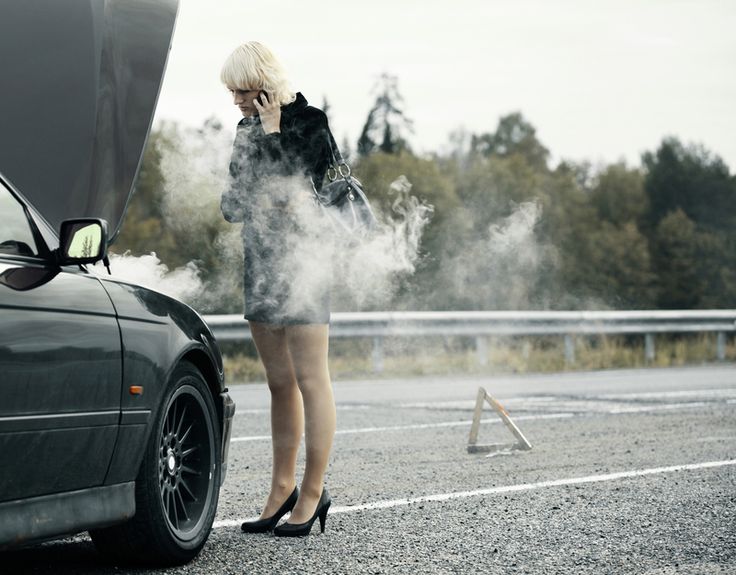
Your car won’t always break down suddenly. Most of the time, it warns you first. Strange sounds, unusual vibrations, leaks, or dashboard lights are your car’s way of saying, “Something’s wrong. Fix me before it gets worse.”
Here are the 20 car problems you should NEVER ignore—unless you want bigger repairs later.
1. Check Engine Light
If this light comes on, something isn’t right. It could be minor… or it could destroy your engine.
Get it checked ASAP.
2. Engine Overheating
If your temperature gauge rises or steam comes out, stop the car.
Driving an overheated engine can kill it completely.
3. Strange Noises (Knocking, Grinding, Squealing)
Unusual sounds often mean:
-
worn brakes
-
failing belts
-
engine issues
-
transmission trouble
Never ignore a new noise.
4. Brake Problems
Soft brakes, grinding, squeaks, or longer stopping distances mean danger.
Brake failures don’t give second chances.
5. Leaking Fluids
Cars should NEVER leak. Common leaks:
-
oil
-
coolant
-
brake fluid
-
transmission fluid
Fixing leaks early is cheaper than replacing damaged parts.
6. Rough Idling or Stalling
If the car shakes or stalls at stops, it may be:
-
fuel system issues
-
spark plug failure
-
dirty air filter
It’s small now—big later.
7. Vibrations While Driving
This could mean:
-
tire problems
-
wheel alignment issues
-
failing suspension components
Ignoring it leads to dangerous tire blowouts.
8. Transmission Issues
Slipping gears, delayed shifting, or burning smells are red flags.
Transmission repairs are expensive, so early action matters.
9. Battery Warning Light
Usually means an alternator problem—not the battery.
If ignored, your car may die while driving.
10. Steering Wheel Hard to Turn
Power steering failure can make the car uncontrollable.
Never ignore stiffness while turning.
11. Burning Smells
Burning rubber, oil, or plastic smells mean something’s overheating, leaking, or melting.
Stop the car and inspect immediately.
12. Tire Tread Wear
Worn tires reduce grip and increase accident risk.
Replace tires before they go bald.
13. Car Pulling to One Side
This suggests:
-
alignment issues
-
tire pressure imbalance
-
brake problems
Fix early to prevent steering system damage.
14. Exhaust Smoke
Different smoke colors mean different problems:
-
White: coolant leak
-
Blue: oil burning
-
Black: too much fuel
Smoke = trouble. Get it checked.
15. Fuel Efficiency Suddenly Drops
A sudden decrease in mileage can mean:
-
clogged injectors
-
faulty sensors
-
engine issues
This small sign can reveal big problems.
16. Dashboard Warning Lights
ABS, oil pressure, battery, airbag—none of these lights are optional.
They mean something is malfunctioning.
17. Unusual Engine Smells
Smells like gas?
That’s a leak.
This is extremely dangerous—don’t drive it.
18. Suspension Problems
If the car bounces or rides rough, your shocks or struts may be failing.
19. Slow Acceleration
This can signal:
-
transmission issues
-
clogged fuel filter
-
failing turbo
Don’t wait until the car stops moving.
20. Strange Clicking When Turning
Usually a bad CV joint.
If it breaks completely, the car becomes undrivable.
Final Tips to Avoid Expensive Repairs
-
Regularly check oil, tires, and coolant levels.
-
Don’t ignore dashboard lights.
-
Fix small issues early—they become big issues later.
-
Schedule routine maintenance every 5,000–10,000 miles.
-
Listen to your car. If it feels different, it probably is.