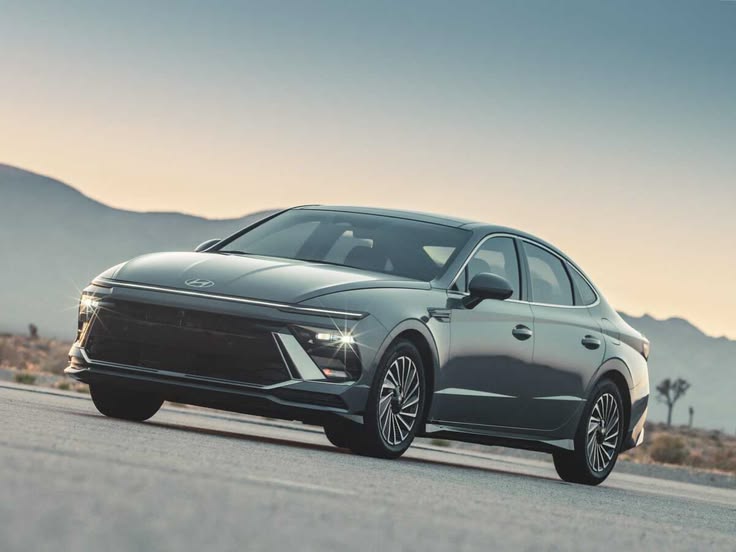
For years, electric vehicles dominated automotive headlines, promising a fully electric future. Yet in 2026, hybrid vehicles are quietly reclaiming popularity among everyday drivers.
Rather than replacing hybrids, the EV revolution has actually highlighted their advantages.
Rising Fuel Costs and Economic Reality
Global fuel price volatility has forced drivers to rethink vehicle ownership costs. While EVs eliminate fuel expenses, high purchase prices remain a barrier for many buyers.
Hybrids offer a middle ground:
- Reduced fuel consumption
- Lower upfront costs
- No dependency on charging infrastructure
This balance makes hybrids especially appealing in regions where charging networks remain limited.
The Convenience Factor
One of the biggest obstacles for EV adoption is charging anxiety. Hybrid vehicles remove this concern entirely.
Drivers can:
- Refuel normally at petrol stations
- Enjoy electric driving at low speeds
- Travel long distances without planning charging stops
For many consumers, convenience outweighs environmental idealism.
Automakers Pivoting Back to Hybrids
Several major manufacturers are increasing hybrid production after recognizing slower-than-expected EV adoption rates.
Hybrids now serve as:
- Transitional technology
- Profit stabilizers for manufacturers
- Practical solutions for consumers
Environmental Impact Still Matters
Modern hybrids significantly reduce emissions compared to traditional vehicles. Improved battery efficiency allows city driving to rely heavily on electric power.
Hybrids are no longer seen as temporary solutions. Instead, they are becoming a realistic long-term option for millions of drivers navigating an uncertain automotive future.