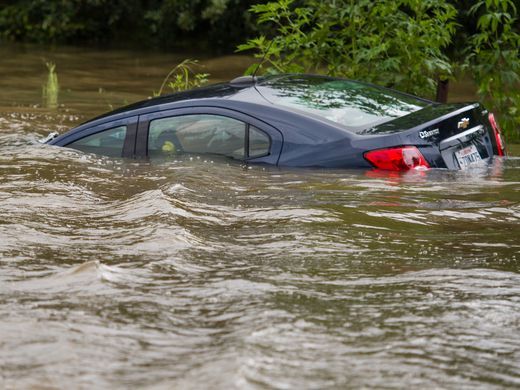
Flood-damaged cars are more common than most people think. After heavy rains and storms, thousands of cars end up underwater — and many of them quickly find their way into the used-car market. Sellers clean them up, mask the smell, hide the electrical problems, and hope buyers don’t notice.
A flood-damaged car can look perfectly normal but still be unsafe, unreliable, and very expensive to repair later.
Here’s how to protect yourself.
1. Inspect the Smell: Musty, Moldy, or Too Much Air Freshener
A flood-damaged car often has:
-
a damp, musty smell
-
mold or mildew odor
-
or an overpowering air freshener used to cover it up
If a car smells “too clean,” be suspicious.
2. Check the Carpet and Upholstery
Look for:
-
uneven fading
-
water stains
-
mismatched carpet sections
-
stiff or crunchy fabric
-
new carpet in an older car
Replacing carpet is one of the first tricks scammers use.
3. Look for Rust in Unusual Places
Floodwater causes rust in places that normally stay dry, such as:
-
inside the glovebox
-
around seat mounts
-
under the seats
-
trunk hinges
-
screws and bolts in the interior
Fresh paint on metal parts could be hiding rust.
4. Check Under the Seats
Under the seat is usually the biggest giveaway.
Signs of flood damage include:
-
mud or dirt lines
-
rusted seat rails
-
electrical wires corroding
-
moisture buildup
If the area looks suspicious, walk away.
5. Look for Water Lines or Mud Lines
Floodwater often leaves a clear “water line.”
Check for it:
-
behind the dashboard
-
in the trunk
-
inside door panels
-
under the spare tire
If you see silt, dried mud, or sand — that’s a red flag.
6. Inspect All Electrical Components
Water destroys electronics. Test:
-
windows
-
mirrors
-
locks
-
radio
-
speakers
-
dashboard lights
-
backup camera
-
sensors
-
seat heaters
If anything flickers, lags, or behaves weirdly — run.
7. Look at the Headlights and Taillights
Flood-damaged cars often have:
-
moisture droplets inside the light
-
foggy or hazy appearance
-
dirt trapped inside
Water in the lights = water everywhere else.
8. Check the Engine Bay for Mud or Debris
Even if cleaned, flood cars often still have:
-
mud stuck in corners
-
dirt behind engine components
-
leaves or debris near the radiator
The engine should never have signs of mud inside it.
9. Inspect the Oil and Transmission Fluid
Pull the dipstick.
Floodwater contaminates fluids.
Warning signs:
-
milky oil
-
watery texture
-
oil that smells burnt
-
cloudy transmission fluid
If the fluids look wrong, walk away immediately.
10. Examine the Undercarriage
Areas to inspect:
-
frame
-
suspension
-
exhaust
-
fuel tank straps
Look for rust, mud, or silt in places that normally stay dry.
11. Check the Spare Tire Compartment
This is one of the hardest areas to clean.
Signs include:
-
water stains
-
mud
-
rust
-
a damp smell
If the trunk floor is warped, it was likely submerged.
12. Review the Car’s Title History
Always run a VIN check.
Look for:
-
“Salvage”
-
“Flood”
-
“Water Damage”
-
“Non-repairable”
If the seller refuses a VIN check, that’s a dealbreaker.
13. Look for Fresh Paint or New Interior Parts
Scammers often replace:
-
seats
-
carpets
-
headliner
-
door panels
If the interior looks too new for the car’s age, ask why.
14. Beware of Rusty or Corroded Electrical Connectors
Check under the dashboard or in the trunk.
Look for:
-
green/white corrosion on wiring
-
rusted screws near the fuse box
-
patched electrical tape
Electrical corrosion is expensive and deadly for electronics.
15. Know the “Too Good to Be True” Price
A suspiciously cheap car is often hiding something big.
If the price is dramatically lower than similar models, ask yourself:
Why is the seller in such a hurry?
Always Get a Professional Inspection
Even if the car passes your inspection, a trusted mechanic can find hidden signs you cannot see.
Flood damage can ruin:
-
engines
-
transmissions
-
computers
-
sensors
-
wiring harnesses
…costing thousands in repairs.
A $100 inspection could save you from buying a $5,000 disaster.
Flood-damaged cars are everywhere, especially after major storms. But with the right knowledge, you can avoid becoming a victim. Check for smells, stains, rust, electrical issues, and any sign of water inside the car’s interior or engine.
If something feels off — trust your instincts and walk away.